
Druce's Juices From Local Apples to Crisp Seasonal Flavours

A good bottle of apple juice should taste like the fruit it came from. Not too sharp, not too flat, not hidden behind added fuss. Just clean, bright, recognisably apple.
That is the idea at the heart of Druce’s Juices, a South West apple juice company built around local English apples, careful handling, and seasonal flavour. The juices are made from single apple varieties where the character of the fruit leads the way. Some bottles are crisp and lively. Others are mellow, rounded, or gently sweet. Each one starts with fruit that has been selected by hand and treated with care.
Druce’s Juices also makes raw apple cider vinegar and a range of berry-based fruit juices in smaller bottles. Across the range, the focus stays the same: real fruit, safe pasteurisation, and distinctive flavour.

Local apples give each juice its own character
Druce’s Juices starts with locally sourced English apples. That matters because apple juice is only as good as the fruit pressed into it.
Apple varieties can taste surprisingly different from one another. Some are sharp and refreshing. Some are honeyed and soft. Some have a dry, almost tannic edge that gives the juice more depth. When apples are blended together, those differences can become less clear. Single variety juice lets each apple speak for itself.
That is why one bottle can feel light and crisp while another tastes fuller and more mellow. It is not a flaw. It is part of the pleasure of drinking juice made from real seasonal fruit.
The South West of England has a long connection with orchards, cider, and apple growing. The climate suits many apple varieties, and local growers help keep that orchard culture alive. By using locally sourced apples, Druce’s Juices keeps the supply chain close and gives each bottle a clear sense of place.
A bottle of single variety apple juice can suit different occasions too.
A sharper juice works well chilled with lunch.
A sweeter, softer juice is lovely with breakfast.
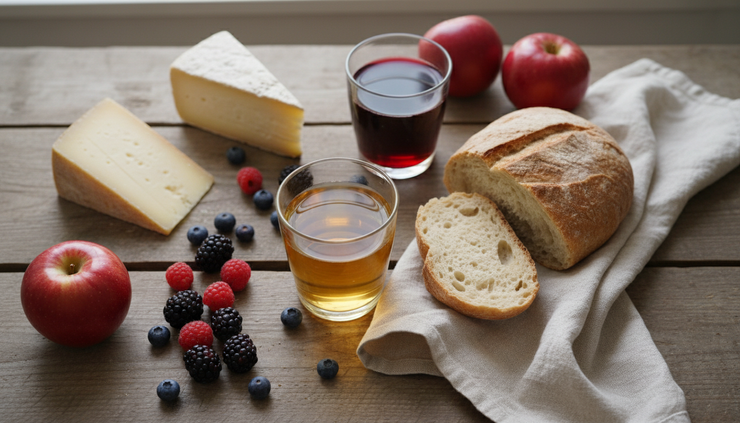
A fuller juice can hold its own with cheese, roast pork, or autumn dishes.
A crisp, clean bottle makes a good non-alcoholic option at the table.
The best way to choose is simple: taste and compare. Like apples themselves, the joy is in the differences.
Hand grading helps protect the flavour
Before the apples are juiced, they are hand graded. This means the fruit is checked so that only sound apples go forward into production.
That step may sound simple, but it makes a real difference. Bruised, damaged, or poor-quality fruit can affect the finished flavour. Careful grading helps keep the juice clean, fresh, and consistent in quality.
It also reflects a more thoughtful way of making juice. This is not about rushing fruit through a process as quickly as possible. It is about respecting the raw ingredient.
Good apple juice depends on a few basic principles:
What matters | Why it matters |
Sound apples | Better fruit gives a cleaner flavour |
Single varieties | Each apple’s natural character comes through |
Local sourcing | The juice stays connected to the region and season |
Safe pasteurisation | The finished product keeps well and remains safe to drink |
Small changes between seasons | Real apples vary from year to year |
That last point is especially important. Druce’s Juices does not treat seasonal variation as something to hide. Apples change depending on the weather, the orchard, and the harvest. That means the flavour and cloudiness of the juice may vary from season to season.
In a world where many drinks are made to taste the same all year round, that natural variation is refreshing. It is a sign that the juice begins with fruit, not a formula.

Pasteurisation keeps the juice safe and crisp
Druce’s Juices safely pasteurises its finished products. Pasteurisation is a heat treatment that helps make juice safe and stable while preserving its taste.
For apple juice, this step is especially important. Freshly pressed juice is natural, but it still needs careful handling. Pasteurisation reduces the risk of spoilage and helps the finished bottle stay at a high standard.
Druce’s Juices has a direct link to an important part of British juice-making knowledge. The founder was trained by Keith Goverd, who worked at the Long Ashton Research Centre, where the process of pasteurising apple juice was developed. When the centre closed, Keith went on to help individuals set up their own apple juice production.
That kind of training matters. It connects practical craft with proper food safety. The result is juice that keeps the freshness and clarity people want, while meeting the standards expected from a finished bottled product.
Pasteurisation does not mean stripping the drink of character. Done carefully, it helps protect what is already there: the aroma, the sweetness, the acidity, and the clean finish of the apples.
The finished juices are known for a distinctive, crisp taste. That crispness is part fruit quality, part careful processing, and part timing. Apples need to be handled well from grading through to pressing and bottling.
Seasonal variation is part of the charm
One of the best things about proper apple juice is that it can tell you something about the season.
A warm, dry growing season may produce fruit with a different balance of sugar and sharpness from a cooler, wetter one. Apples picked at slightly different stages can also change the final taste and look of the juice. Some bottles may be clearer. Others may be more cloudy. Some may taste bright and zesty. Others may feel rounder and softer.
Druce’s Juices is open about this natural variation. Because the apple juices are made from seasonal fruit, there may be some difference in flavour and cloudiness from one season to the next.
That honesty is welcome. It helps set expectations and makes the product more interesting. Wine drinkers expect vintage variation. Cider drinkers often understand harvest differences. Apple juice deserves the same respect.
Cloudiness, for example, is not a problem in itself. Cloudy apple juice can carry fine fruit particles that give the drink more body and texture. Clear juices have their own appeal, with a clean look and often a bright finish. Neither is automatically better. They are simply different expressions of the fruit.
For anyone who enjoys food and drink, that makes the range more rewarding. You can return to a favourite variety and still notice small changes with each harvest.
Apple cider vinegar brings another side of the apple
Druce’s Juices also makes raw apple cider vinegar. This is another way to use apples, but the character is very different from juice.
Apple cider vinegar is made through fermentation. The natural sugars in apples are converted first into alcohol and then into acetic acid. That acetic acid gives vinegar its sharp taste and distinctive aroma.
Druce’s raw apple cider vinegar contains acetic acid as well as bacteria and lactic, citric, and malic acids. These are part of what gives the vinegar its tangy profile.
Apple cider vinegar has long been used in kitchens and homes, including as a natural preservative and as an ingredient in dressings, marinades, pickles, and sauces. Some people also use it as part of wellness routines, although health claims should be treated with care. This blog is for general information only and is not medical advice.
In everyday cooking, apple cider vinegar is useful because it brings acidity. A splash can lift rich foods, balance sweetness, or sharpen a dressing. It works especially well with ingredients that suit apples naturally, such as:
Cabbage and slaws
Pork and roasted vegetables
Mustard and honey dressings
Pickled onions and cucumbers
Chutneys and relishes
Used well, it does not need to dominate. A little can brighten a dish and make the other flavours clearer.

Berry-based fruit juices add colour to the range
Although apples are central to the company, Druce’s Juices is not only about apple juice. The range also includes fruit and berry juices in smaller bottles.
These seasonal flavours bring a different style to the table. Berry-based juices often have deeper colour, lively acidity, and a fragrant fruit finish. They can feel richer than apple juice, especially when served well chilled.
Smaller bottles make sense for these flavours. They are easy to enjoy with lunch, pack for a picnic, or serve as a bright option at gatherings. They also let people try something new without committing to a large bottle.
Fruit and berry juices work well when they taste fresh rather than overly sweet. The best versions keep the fruit’s natural lift. That could mean a berry drink with a clean tang, a dark fruit flavour with a smooth finish, or a seasonal blend that changes as fruit availability changes.
As with the apple juices, seasonality plays a part. When a drink is tied to the fruit that is available, the range can shift through the year. That makes it more interesting than a fixed shelf of identical flavours.
How to enjoy Druce’s Juices at home
A well-made fruit juice does not need much help, but serving it well can make it even better.
Chilling is the simplest step. Apple juice is often at its most refreshing when cold, especially sharper varieties. Berry juices also benefit from being chilled, as it keeps them bright and crisp.
Glassware makes a difference too. A small glass encourages sipping rather than gulping, which helps the flavour come through. This is especially true for single variety apple juice, where the details are part of the experience.
Food pairings do not have to be complicated. Apple and fruit juices can sit comfortably alongside everyday meals.
Try them with:
A ploughman’s-style lunch
Soft cheeses and crackers
Roast chicken or pork
Warm pastries
Porridge or granola
Picnic food
Light desserts with apple, pear, or berries
Apple juice can also be used in cooking. It can add sweetness and fruitiness to sauces, glazes, compotes, and braises. A splash in a pan with onions, mustard, and stock can help make a simple sauce for pork or sausages. Reduced gently, it can become more syrupy and concentrated.
Apple cider vinegar belongs close by. The juice brings sweetness, while the vinegar brings sharpness. Together, they can help balance dressings, marinades, and chutneys.
Why local fruit still matters
Local food is often talked about in broad terms, but with juice the benefits are easy to taste.
Fruit does not have to travel as far. Growers and producers can build closer working relationships. Seasonal varieties can be used when they are at their best. The finished bottle carries more connection to the place where it was made.
For Druce’s Juices, that place is the South West of England. The company’s focus on local apples, hand grading, single varieties, and safe pasteurisation gives the range its identity.
It also supports a more careful way of drinking juice. Rather than choosing a generic bottle and expecting the same flavour every time, Druce’s Juices invites people to notice the apple variety, the season, and the finish.
That is a small pleasure, but a meaningful one.
A bottle shaped by apples, season, and skill
Druce’s Juices brings together the things that make fruit juice worth drinking: good apples, careful grading, safe pasteurisation, and respect for seasonal flavour.
The apple juices show the character of local English varieties. The raw apple cider vinegar offers a sharp, useful ingredient for the kitchen. The berry-based fruit juices add colour, variety, and seasonal interest.
Most of all, the range keeps the fruit at the centre. That is what makes a bottle feel crisp, honest, and full of character. When the apples are grown locally, chosen carefully, and handled with skill, the result is simple in the best possible way: juice that tastes like where it came from.


Comments